
Holding a valid South Australian driver’s license is both a privilege and a responsibility. Whether you’re a first-time learner driver, a parent supervising your teenager, or an international visitor exploring the state, understanding the rules that govern licensing in South Australia is essential for staying safe and legal on the road.
This guide covers everything you need to know about obtaining, maintaining, and using your licence in South Australia. From the Graduated Licensing Scheme to digital credentials in the mySAGOV app, you’ll find practical information to help you navigate the system with confidence.

Essential rules for holding a South Australia driver’s licence
All drivers in South Australia must hold a current, correct-class licence and keep their details up to date. These requirements exist to protect you, your passengers, and everyone else who shares the road.
- It is unlawful under the Motor Vehicles Act 1959 (SA) to drive without a current licence for the vehicle class you are operating
- Driving unlicensed or with the wrong class can lead to fines, demerit points, vehicle impoundment, and possible court action
- You must always carry your licence (physical or digital via mySAGOV where accepted) when you drive and present it to SA Police on request
- Different licence classes exist in SA—car class C, motorcycle class R, light and heavy vehicle classes—and you must hold the correct one before driving that vehicle
- Licence holders must notify the Registrar of Motor Vehicles of certain changes (address, name, medical fitness) within the required timeframes
- The government of South Australia requires this information to manage road safety effectively across the state
The rest of this article will cover learner and provisional licences, international drivers, digital licences, and upcoming overseas licence rule changes taking effect in 2025.
Updating your address and personal details
All South Australian licence holders are legally required to keep their contact details current. Failing to do so can create serious problems when renewal notices or important correspondence cannot reach you.
- You must notify the Registrar of Motor Vehicles of a change of residential address within 14 days of moving
- This requirement applies to every class of South Australian driver’s licence—learner, provisional, full, and heavy vehicle licences
- You can update your address online through mySAGOV, by phone, or in person at a service SA centre
- Failing to update your address can lead to missed renewal notices, unpaid fines, and possible suspension of your licence
- Drivers should also update their name and any relevant medical information affecting fitness to drive as soon as changes occur
- These services help you manage your licensing obligations and avoid unnecessary penalties
Driving without a valid South Australian driver’s licence
South Australia treats unlicensed driving as a serious road safety and legal issue. The consequences can follow you for years.
- You must not drive on a road or road-related area without a current South Australian licence or a recognised interstate/overseas licence for that vehicle class
- Typical consequences for driving unlicensed include substantial on-the-spot fines, demerit points, possible court appearance, and higher penalties for repeat offences
- Penalties are more severe if you have been disqualified or suspended and continue to drive regardless
- Learner drivers must not drive unless accompanied by a qualified supervising driver who meets all legal requirements
- If you’re unsure of your licence status, you can check expiry dates and conditions through your mySAGOV account
- People who operate vehicles without proper authorisation put themselves and others at risk
South Australia Graduated Licensing Scheme (learners to full licence)
South Australia uses a Graduated Licensing Scheme (GLS) to help new drivers progress safely from learner to full licence. This structured approach builds skills progressively and reduces the crash risk that comes with inexperience.
- The basic stages are: learner’s permit, Provisional licence P1 (red P-plates), Provisional licence P2 (green P-plates), and then full licence
- Most new car drivers enter the GLS from age 16 and must hold a learner’s permit while logging supervised driving before taking a practical test
- Learner drivers must complete at least 75 hours of supervised driving, including 15 hours at night, and hold their permit for 12 months if under 25 (or 6 months if 25 or older)
- The GLS sets minimum time periods, speed restrictions, and zero blood alcohol requirements, particularly for young drivers under the age of 25
- Safe drivers are expected to manage risk by preparing their vehicle, avoiding distractions, and driving in the conditions at every stage of licensing
- Detailed GLS requirements (hours, tests, conditions) are set out in the latest Driver’s Handbook and on official SA gov sites
- The provisional period lasts two years before the licence automatically converts to a full driver’s licence
The Driver’s Handbook (South Australia road rules)
The South Australian Driver’s Handbook is the primary reference for road rules and safe driving practices in the state. Whether you’re preparing for your theory test or refreshing your knowledge after years of driving, this resource is essential.
- The handbook covers speed limits, giving way, lane use, parking, school zones, traffic lights, and unique South Australian rules
- It is essential reading for learner drivers preparing for the theory test, and valuable for experienced drivers to refresh their knowledge
- The handbook is available online and as a downloadable PDF, with physical copies accessible through Service SA or libraries
- Understanding and applying the handbook improves safety, lowers crash risk, and helps drivers pass theory and practical tests
- Drivers should revisit the handbook when rules change—such as updates to mobile phone restrictions or speed camera locations
- Following these road rules is a responsibility every licence holder shares
myLs online learner course and theory test preparation
myLs is South Australia’s official online learning and assessment program designed to help people learn the road rules and get their learner’s permit. It’s built to meet the requirements of new drivers while fitting around busy schedules.
- myLs is interactive and includes both learning modules and assessments aligned to the Driver’s Handbook
- Successful completion of the myLs course is required before a learner’s permit can be issued in South Australia
- The platform can be accessed online, usually requires creating a mySAGOV account, and is designed for flexible self-paced study
- Practice learner’s theory tests are available, with questions that mirror the style and topics of the official test
- Learners should study regularly, review their results after each practice test, and focus on topics where they score poorly
- Parents can support their learner drivers by discussing road rules and practising scenarios together before the test date
International and overseas drivers in South Australia
Visitors and recent arrivals can often drive in South Australia on a valid overseas licence, subject to specific conditions. Understanding these requirements helps you stay legal while exploring the state.
- International drivers must carry their overseas driver’s licence (and an English translation or International Driving Permit if needed) when driving
- All international visitors must obey South Australian road rules, including speed limits, seatbelts, mobile phone restrictions, and drink-driving laws
- Permanent residents or citizens must obtain a South Australian licence within 90 days of gaining residency status
- Specific rules differ depending on the country that issued the licence and whether it appears on recognised or approved country lists
- International drivers should review official guidance before they drive, including information on roundabouts, left-side driving, and regional road conditions
- The registration and licensing system treats overseas credentials carefully to protect road safety for everyone
Overseas driver licensing changes from 1 May 2025
South Australia is changing how some overseas licences are recognised from 1 May 2025 to strengthen road safety standards.
- From 1 May 2025, drivers holding licences from particular overseas jurisdictions will no longer receive automatic recognition for a South Australian licence
- Affected overseas licence holders will need to undertake extra steps, such as additional training, theory tests, and/or practical driving assessments
- The aim of these new rules is to ensure that all licensed drivers meet South Australian safety and competency requirements
- Visitors who are temporarily in South Australia can usually continue to drive on a valid overseas licence, provided they follow its conditions
- Check the latest list of affected countries and detailed requirements on official government channels before the 1 May 2025 date
- These updates reflect the state’s commitment to keeping roads safe for all people who use them
Supervising a learner driver in South Australia
Supervising a learner is a key responsibility that helps shape safe future drivers in South Australia. The hours you spend in the passenger seat directly influence how your learner will drive for the rest of their life.
- Supervisors must hold a full licence for the appropriate class for a minimum period (typically 2 years) and sit in the front passenger seat
- Supervising drivers must be alcohol- and drug-free (blood alcohol below 0.05%) and must ensure that L-plates are correctly displayed
- Supervisors need patience, clear communication, and a good understanding of current South Australian road rules
- Plan a variety of practice drives, starting in quiet streets before progressing to busier roads, night driving, and different weather conditions
- Resources such as logbooks, online checklists, and government safety programs support supervising drivers
- This responsibility extends beyond just being present—active teaching and feedback make the difference
High-powered vehicles and young drivers
South Australia restricts the use of high-powered vehicles by young provisional drivers to reduce crash risk. These restrictions apply based on both age and licence history.
- Provisional licence holders under 25 years of age are generally prohibited from driving high-powered vehicles
- This restriction applies particularly to those who obtained their provisional licence on or after 4 September 2010
- High-powered vehicles are defined by specific criteria, such as power-to-weight ratios or engine modifications, as set out in official regulations
- Drivers usually must hold a full driver’s licence, and sometimes meet additional criteria, before they can legally operate high-powered vehicles
- Young drivers should check whether a vehicle is on the restricted list before buying or driving it to avoid fines and licence consequences
- These rules exist because inexperience, combined with powerful vehicles, significantly increases crash risk
Choosing safer vehicles in South Australia
Buying a car is a major decision that affects both personal safety and the safety of other road users. The vehicle you choose can mean the difference between walking away from a crash or not.
- Prioritize vehicles with high safety ratings from programs such as ANCAP or used-car safety ratings
- Key safety features to consider include airbags, electronic stability control, autonomous emergency braking, lane-keeping assistance, and strong crash test performance
- Newer vehicles often incorporate advanced driver-assistance systems that can help prevent or lessen the severity of crashes
- Budget not just for purchase price, but also for ongoing costs like registration, insurance, maintenance, and potential repairs
- Check South Australian government or partner resources that rank vehicles by safety to support informed purchasing decisions
- Safe vehicle ownership protects you, your passengers, and everyone else on the road
On the Right Track – support for Aboriginal drivers
On the Right Track is a culturally appropriate South Australian program focused on driver licensing and road safety for Aboriginal people. It addresses specific barriers that can make obtaining and keeping a licence more difficult.
- The program provides information, workshops, and support to help Aboriginal community members understand licensing requirements and road rules
- On the Right Track aims to reduce license-related disadvantage and improve safety outcomes in Aboriginal communities
- Topics covered may include getting a learner’s permit, paying fines, clearing suspensions, and safe driving practices
- Eligible readers and organisations can connect with the program for up-to-date resources and local session details
- This initiative recognises that access to licensing supports employment, family responsibilities, and community participation
Licensing, vehicle, and boat registration in South Australia
South Australia manages driver licensing alongside vehicle and boat registrations within a single regulatory system. This integrated approach helps streamline services for drivers and vehicle owners across the state.
- Drivers can find information on driver training providers, vehicle registration, boat registrations, trailer registration, parking permits, and other licensing services
- Recent and proposed reforms seek to strengthen driver training standards and better protect learner drivers
- Disability parking permit changes planned through to 2025 aim to improve access and support for people with disabilities
- SA.GOV.AU is the primary online portal for detailed information on heavy vehicle licensing, vehicle registration, and marine registration processes
- Drivers and owners should check requirements and renewal dates regularly to stay compliant and avoid fines or suspensions
- The change to digital services has made it easier to manage these obligations from anywhere
Other official online resources
Additional authoritative resources are available online for specialist licensing and registration topics.
- Heavy vehicle registration, accreditation, and safety requirements are fully explained through the main South Australian government website
- Boat owners can register, renew, transfer, or cancel boat registrations and find safety rules via the same central government portal
- Using official government websites helps ensure drivers and operators are following current, accurate regulations
- These resources work together to help you apply for new credentials and meet ongoing requirements
mySAGOV mobile app and digital licences
The mySAGOV mobile app allows South Australians to store and access selected digital licences and registrations on their smartphone. It’s designed to make carrying and presenting your credentials more convenient.
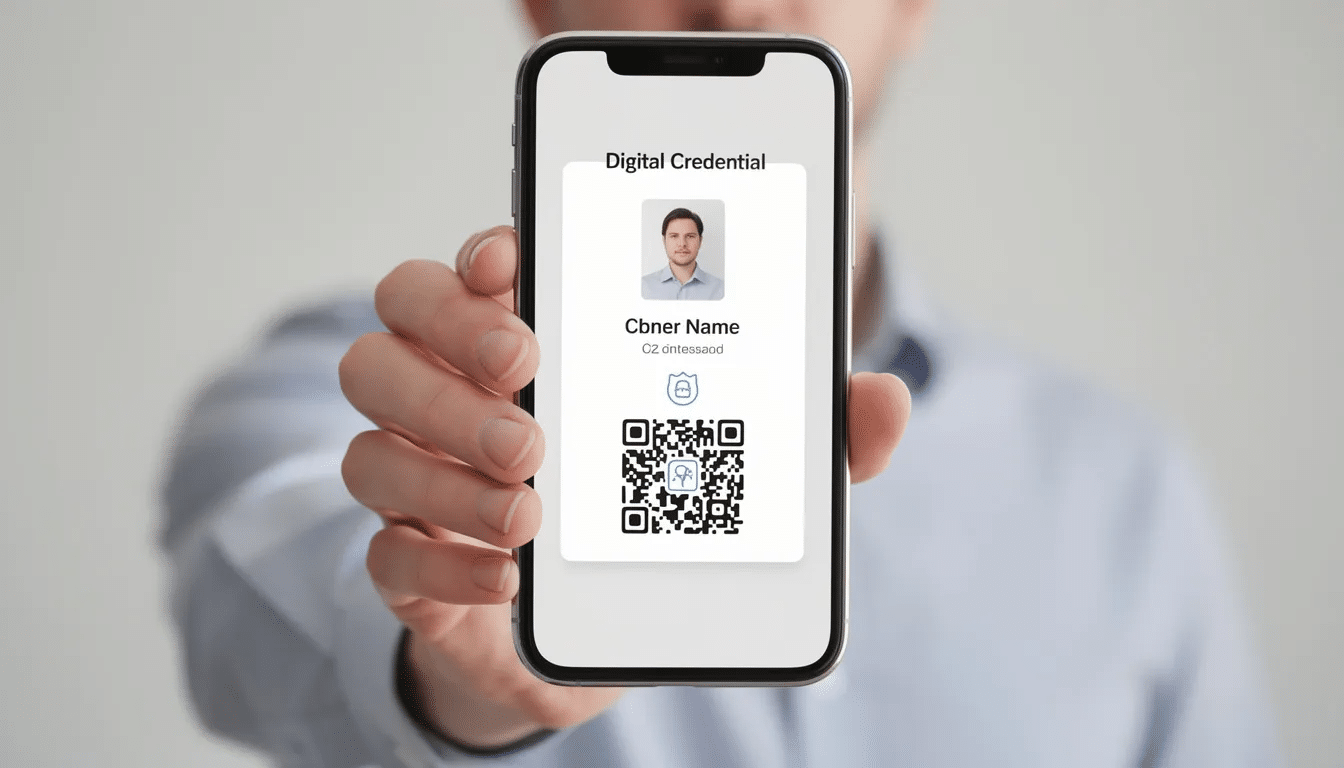
- A mySAGOV account is required, and once set up, drivers can add eligible credentials such as a digital driver’s licence and some vehicle registrations
- The app is designed primarily for viewing and presenting digital credentials, not for managing payments or changing account details
- To update personal information, pay renewals, or make other changes, you must log in to your mySAGOV account via a web browser
- The app supports secure access with features such as PIN or biometric login—keep your phone and login details safe
- Digital licences may be accepted for most everyday purposes within South Australia, but check requirements when travelling interstate
- This digital option reflects how services continue to evolve to meet community needs
Credentials you can add to the mySAGOV app
Drivers can consolidate several official South Australian credentials in the mySAGOV app for easy access.
- Examples of credentials that may be added include: driver’s licence, learner’s permit, vehicle registration details, boat registration details, and some other state-issued licences
- Adding credentials makes it easier to show evidence of licensing and registration when requested by authorities or service providers
- Ensure that your personal details in mySAGOV match what is held by the Registrar of Motor Vehicles to avoid issues adding credentials
- The app will display key information like licence class, expiry date, and licence conditions, where applicable
- This consolidation helps you manage multiple credentials in one place
Viewing someone else’s vehicle registration
The mySAGOV app allows certain vehicle registrations owned by others to be added for viewing purposes.
- This feature is useful for families, company vehicles, and situations where one person manages registrations for several drivers
- You can add a registration to view its details without needing to prove ownership inside the app
- Adding another person’s vehicle in the app does not give you the authority to change registration details or manage payments for that vehicle
- Respect privacy and only add registrations you are responsible for or have permission to view
- This makes it easier to keep track of renewal dates across multiple vehicles
Renewal reminders and staying current
mySAGOV can send renewal reminders for credentials with expiry dates, helping you avoid accidental lapses.
- Users can opt in to receive notifications for licence and registration renewals through email, SMS, or in-app alerts, depending on settings
- Renewal reminders help prevent accidental lapses in licensing or registration, which could otherwise lead to penalties
- Even with reminders, it remains your legal responsibility to ensure licences and registrations are kept valid and up to date
- Check reminder settings periodically and confirm that your contact details in mySAGOV are accurate
- Proactive management prevents the stress and cost of driving with expired credentials
South Australia drivers’ licence statistics and open data
South Australia publishes open data on drivers’ licences to support research, planning, and transparency. This information helps government agencies, councils, and researchers understand who holds licences and where they live.
- A key dataset provides counts of current car, motorcycle, and other driver’s licences by postcode, age, and sex
- This dataset includes both full and provisional licences, giving a demographic picture of licensed drivers across the state
- Data is updated at quarterly and annual intervals, covering years from 2017 through to at least Q3 2025
- Analysts, councils, and policymakers use this information to understand licensing trends, road safety priorities, and service demand in different regions
- The dataset uses an internal reference code (such as TRLB05) for communication with the responsible department
- This transparency supports evidence-based decision-making across the state
Using licence data for planning and safety
Licence data helps target education and enforcement where it is most needed.
- Comparing driver numbers by age and postcode can reveal areas with many young or novice drivers who might benefit from extra road safety campaigns
- Understanding the mix of car and motorcycle licences can guide infrastructure decisions, such as bike-friendly road design or signage
- Researchers can track changes over time to evaluate the effect of licensing reforms or road safety initiatives
- While the data is publicly available, individuals are not identifiable—information is aggregated to protect privacy
- This work helps ensure resources are directed where they can make the greatest difference